- Introduction
- Chapter 1:What Do Japanese People Mean by “Non-Religious”?
- Chapter 2:What Is Shinto?
- Chapter 3:Is Shinto a Religion?
- Chapter 4:Why Has Shinto Endured for So Long?
- Chapter 5:Three Keys to Understanding Shinto
- Chapter 6:Visiting a Shinto Shrine: A Cultural Guide for International Visitors
- Conclusion
Introduction
Many visitors to Japan notice what seems to be a contradiction.
A large number of Japanese people describe themselves as “non-religious,” yet they regularly visit Shinto shrines, offer prayers, celebrate traditional festivals, and participate in religious ceremonies throughout their lives.
How can both be true?
The answer lies in Shinto, Japan’s indigenous spiritual tradition. Understanding Shinto helps explain not only Japanese religious life but also many aspects of Japanese culture, values, and everyday behavior.
This article introduces Shinto from a cultural perspective and explains why many Japanese people consider themselves “non-religious” while still living within a tradition that has shaped Japan for centuries.
Chapter 1:What Do Japanese People Mean by “Non-Religious”?
When Japanese people say they have “no religion” (mushūkyō), they usually do not mean that they reject spirituality or deny the existence of the sacred.
Instead, they often mean:
they do not belong to a particular religious organization;
they do not follow one exclusive set of religious doctrines; or
they do not define themselves by a specific faith.
For many Westerners, religion is often closely associated with belief, doctrine, and membership in a religious community.
In Japan, however, religion is often experienced differently.
For example, it is perfectly normal for one person to:
visit a Shinto shrine on New Year’s Day,
have a wedding in a Christian-style chapel,
and hold a Buddhist funeral for family members.
To many Japanese people, these practices do not conflict with one another.
Rather than being expressions of exclusive belief, they are seen as meaningful cultural traditions that accompany different stages of life.
Chapter 2:What Is Shinto?
Shinto is Japan’s oldest spiritual tradition.
Unlike many major world religions, Shinto has:
no single founder,
no sacred scripture comparable to the Bible or the Qur’an,
and no comprehensive system of doctrine that believers are required to accept.
Instead, Shinto centers on the idea of kami.
The word kami is often translated as “god” or “spirit,” but neither translation fully captures its meaning.
Kami may be understood as sacred presences or spiritual forces that exist throughout the natural world.
Mountains, forests, rivers, ancient trees, ancestors, and even places closely connected with local communities may all be regarded as possessing kami.
Rather than separating humanity from nature, Shinto views people as living within nature and in relationship with it.
Chapter 3:Is Shinto a Religion?
This question is one of the most common asked by foreign visitors.
The answer is both yes and not entirely.
From the perspective of religious studies, Shinto is certainly recognized as a religion.
At the same time, it also functions as a cultural tradition deeply woven into everyday life.
Shinto quietly encourages values such as:
keeping oneself and one’s surroundings clean,
maintaining harmony with others,
showing gratitude,
respecting nature,
and honoring one’s ancestors.
These values are rarely taught as religious commandments.
Instead, they are learned naturally through family life, community traditions, seasonal festivals, and everyday customs.
As a result, many Japanese people practice behaviors influenced by Shinto without consciously thinking of them as religious acts.
Chapter 4:Why Has Shinto Endured for So Long?
Although Shinto has never actively sought converts in the way many missionary religions have, it has remained deeply rooted in Japanese society.
Several characteristics help explain its remarkable continuity.
- It does not demand exclusive belief.
Shinto rarely asks people to declare their faith or reject other religions.
Participation is generally voluntary and inclusive. - It is integrated into everyday life.
Many Shinto customs are simply part of ordinary life rather than special religious occasions.
Seasonal festivals, local shrine events, and family traditions naturally connect people with Shinto. - It has coexisted peacefully with other religions.
For centuries, Shinto and Buddhism influenced each other and developed side by side.
More recently, many Japanese have also incorporated elements of Christianity into ceremonies such as weddings without feeling any contradiction. - It is passed down almost unconsciously.
Parents teach children by example.
Communities preserve local festivals.
Traditions continue because people participate—not necessarily because they consciously believe.
This quiet transmission across generations may be one of Shinto’s most distinctive characteristics.
Chapter 5:Three Keys to Understanding Shinto
Understanding Shinto often requires setting aside some assumptions about what religion is.
Three ideas are especially helpful.
- It is less about believing than experiencing.
Shinto places greater emphasis on experiencing harmony with nature and community than on affirming a particular creed. - Harmony often takes precedence over absolute truth.
Rather than asking who is “right,” Shinto traditionally encourages maintaining harmonious relationships among people and with the natural world. - Actions matter more than words.
Daily practices—showing gratitude, behaving respectfully, caring for shared spaces—are often considered more important than publicly professing one’s beliefs.
Chapter 6:Visiting a Shinto Shrine: A Cultural Guide for International Visitors
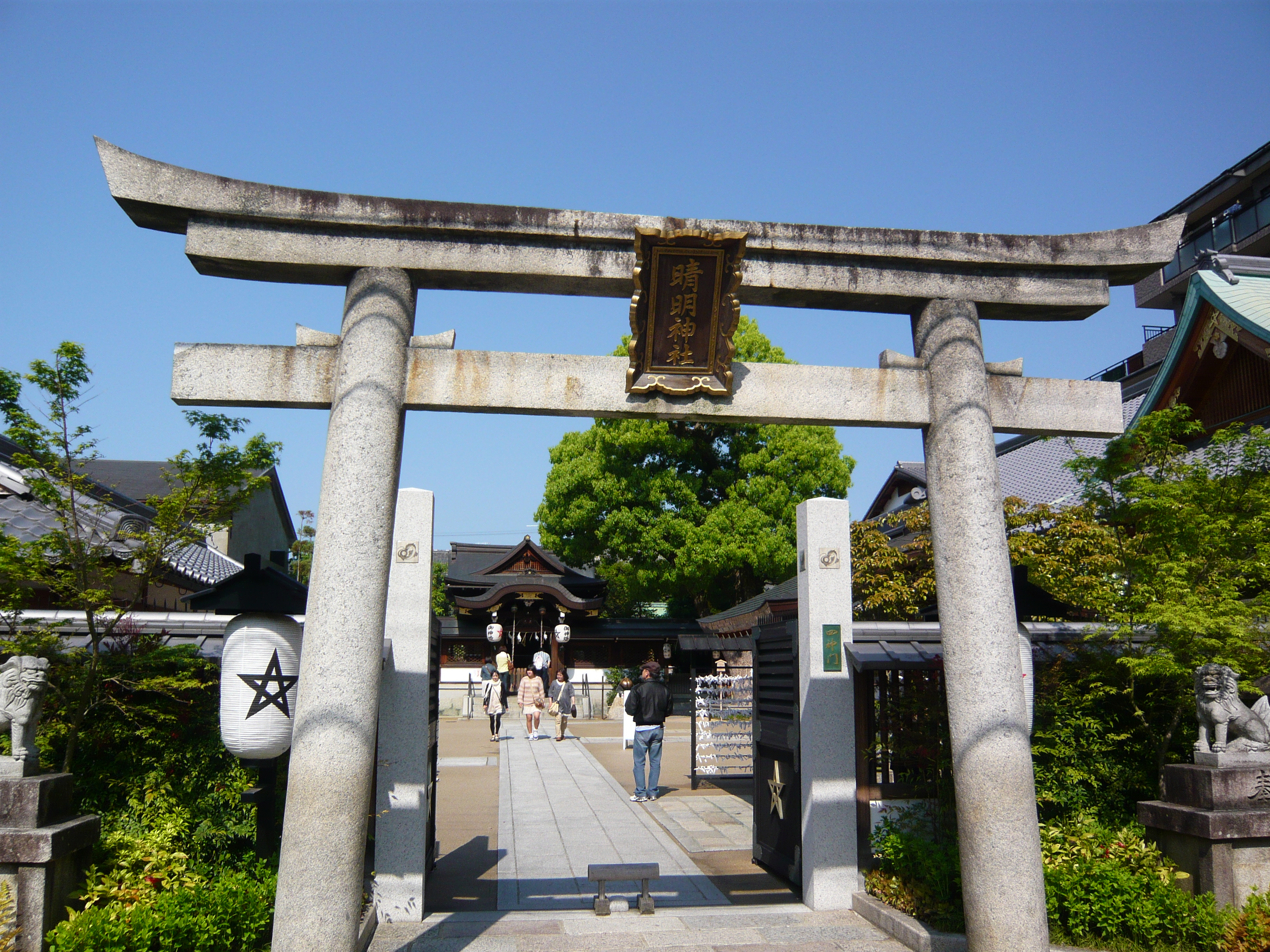
If you visit Japan, chances are you will also visit a Shinto shrine.
You do not need to be a believer in Shinto to appreciate or respectfully participate in many shrine customs.
Here are a few points that may help.
First, remember that a shrine is more than a tourist attraction.
For many local people, it remains a place of quiet reflection, gratitude, and prayer.
Second, purification rituals—such as washing your hands at the entrance—are not about proving religious faith.
Instead, they symbolize preparing yourself mentally and spiritually before entering a sacred space.
Finally, remember that kami should not necessarily be understood as an all-powerful creator God in the monotheistic sense.
They are better understood as sacred presences that express the close relationship between human beings, nature, and the places where people live.
Even if your own religious or philosophical background is very different, approaching a shrine with curiosity and respect is generally appreciated.
Understanding these customs can make your visit richer and provide a deeper insight into Japanese culture.
Conclusion
Shinto is not primarily a religion that asks, “What do you believe?”
Instead, it quietly asks, “How do you live?”
It encourages gratitude rather than obligation, harmony rather than confrontation, and respect for nature rather than human dominance over it.
This is one reason why many Japanese people sincerely describe themselves as “non-religious” while continuing to pray at shrines, celebrate traditional festivals, and practice customs shaped by Shinto.
To understand this quiet spiritual tradition is, in many ways, to understand Japan itself.
Whether you come to Japan as a traveler, a student, a business professional, or simply someone curious about its culture, understanding Shinto offers a valuable window into the Japanese way of seeing the world.
Rather than asking whether Shinto fits the definition of religion in your own culture, you may find it more rewarding to see it as a living tradition that has quietly shaped Japanese society for centuries. With that perspective, many aspects of Japan that once seemed puzzling begin to make much more sense.
\ 最新情報をチェック /